
Brand Audit
The diagnosis that precedes every decision.
A brand audit is a rigorous diagnosis of a brand's status: the place it occupies in the market, how its audiences perceive it, and the gap between what it claims to be and what it truly conveys. It is the starting point for every branding project, because the terrain must be understood before moving within it.






A comprehensive X-ray of the brand
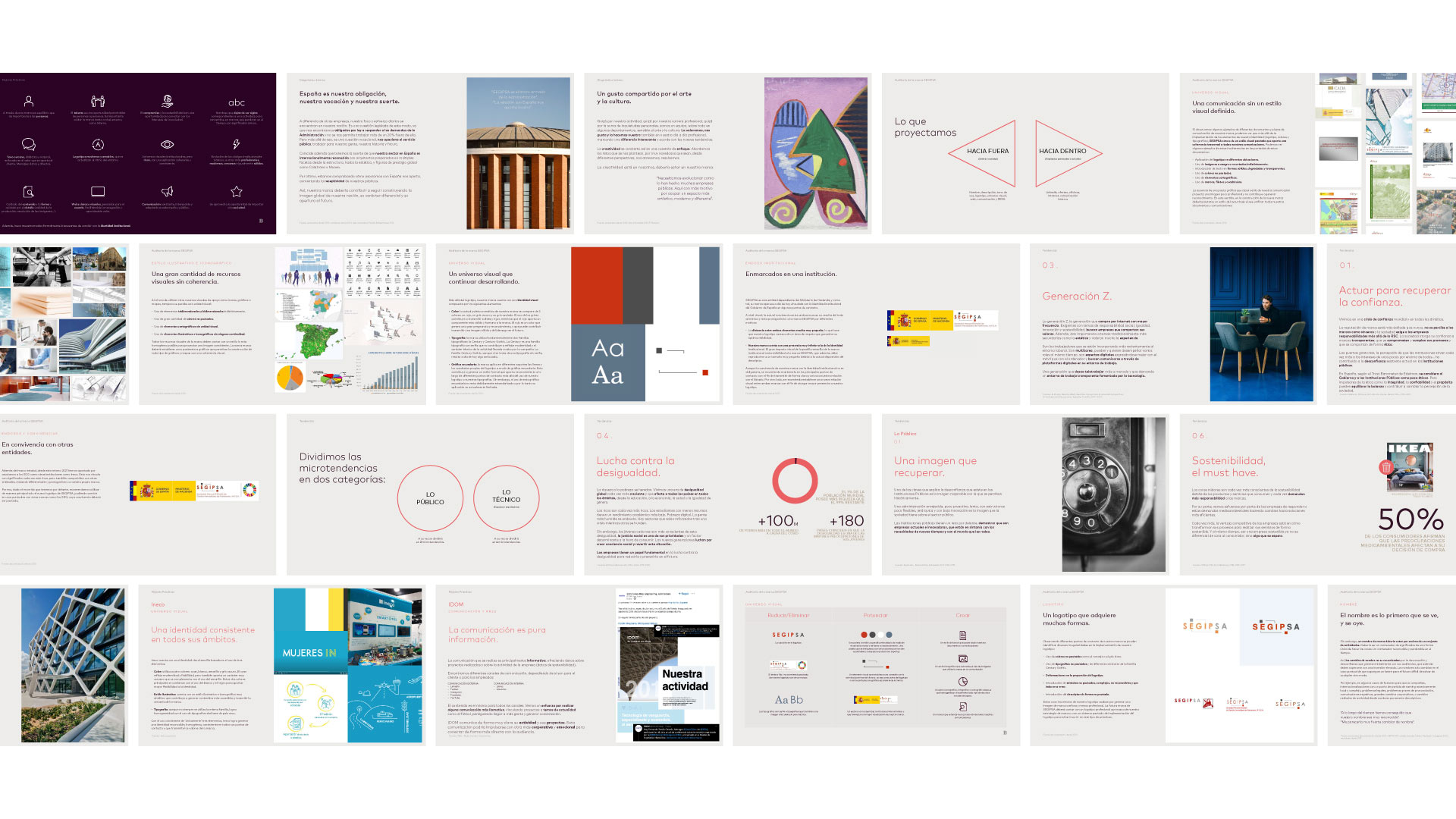
The audit reviews the blueprints where a brand builds or loses value: positioning, the actual perception of audiences, identity consistency, and the experience at every touchpoint. From this intersection emerges a precise reading of strengths, gaps, and opportunities.
Positioning
The place the brand occupies in the market and in the customer's mind.
Perception
What audiences feel today, beyond what the brand thinks it projects.
Visual and verbal identity
The consistency of the visual system, tone of voice, and message across channels.
Brand architecture
The order and relationship among the portfolio's brands.
Experience
The touchpoints, from packaging to the web, where the brand is experienced.
Competition
The category codes and the remaining empty slots.
Auditing before acting turns an intuition into an informed decision.
From perception to facts
The first stage of a brand project consists of understanding the reality that already exists. We work to move from the perceived truth, what management believes their brand is, to the objective truth, what the brand is in a verifiable way. That gap, when it appears, explains a good part of business problems: a value proposition that falls short, scattered communication, or a portfolio that confuses the customer. It is the foundation upon which any branding agency before proposing a change.
Observe
Category patterns, behaviors, and codes.
Ask
Interviews with internal teams and audience listening.
Cross-reference data
Business, competition, and perception, triangulated to separate fact from opinion.
Synthesize
A clear map of strengths, gaps, and actionable priorities.
What the brand history can still yield
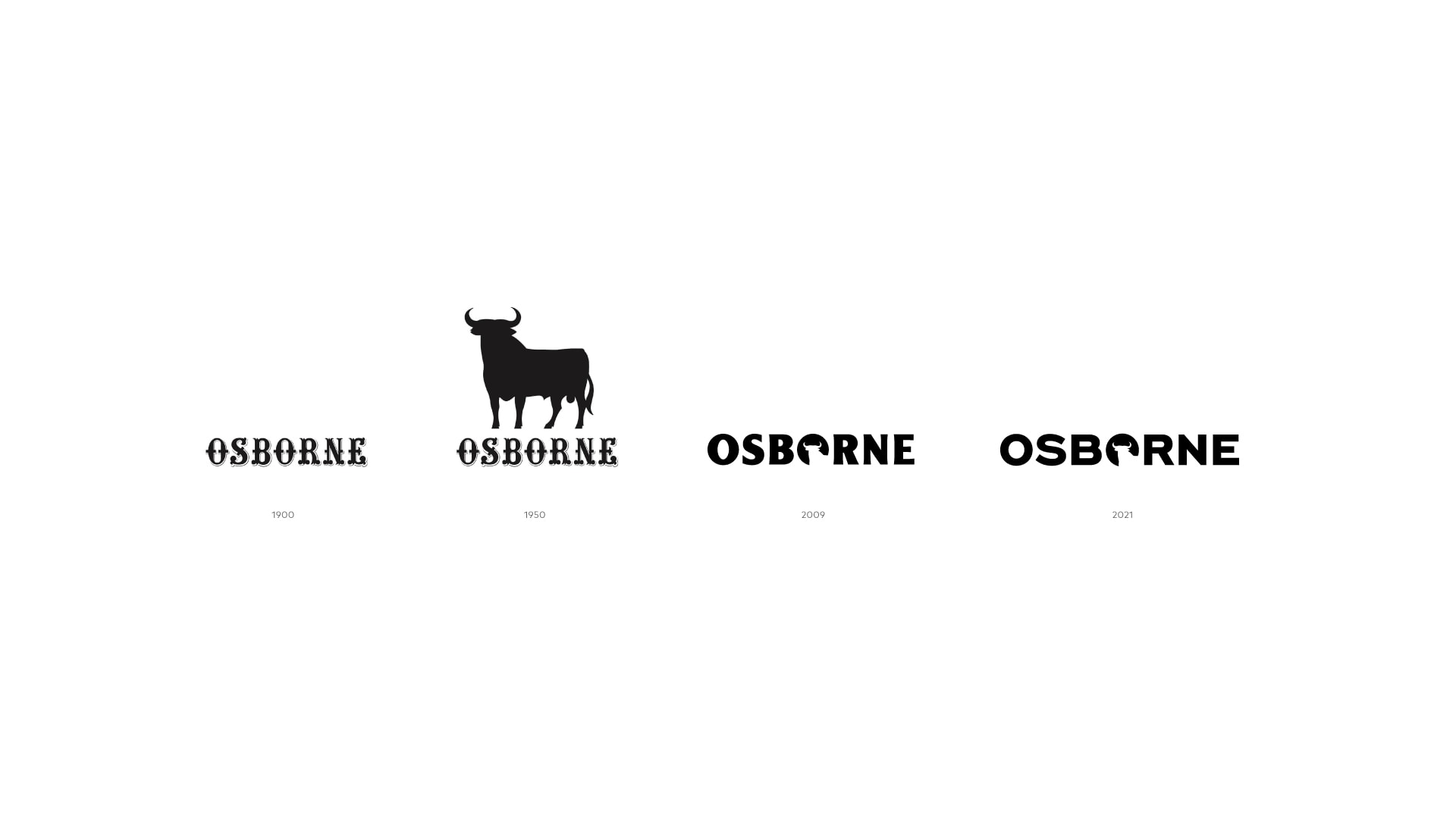
In brands with a long history, a good part of the diagnosis is in their own archive: old posters, original artwork, retired packaging, photographs. That is where the assets that the market still recognizes and that are worth recovering appear, as well as those that no longer mean anything. At Tío Pepe and Osborne, the work began by reviewing two centuries of graphic material before touching a single line.
Signs that your brand is asking for a diagnosis
- Results are dropping and the usual explanations no longer fit.
- The brand says one thing and the market perceives another.
- The portfolio has grown in a disorganized manner, and it is advisable to review its brand architecture.
- A merger, acquisition, or integration process is approaching.
- Communication is scattered across channels, teams, and markets.
- There is a large investment on the horizon in identity or campaign.
If you recognize two or more of these signs, the next step is a conversation: you can bring it up with the Madrid studio or with any of our offices.
Brand audit versus market study
The brand as an asset
Analyze the brand's own positioning, coherence, perception, and performance. Look inward at the brand and outward at its relationship with the customer.
The environment and the demand
Measure category size, trends, and buying behavior. Look outward at the market and its evolution.
Both complement each other: the audit interprets what the market research quantifies and translates the data into brand decisions.



stores of the concept we helped redefine. We started from an in-depth analysis of the brand and its category to transform a neighborhood drugstore into a beauty and personal care destination. The repositioning was recognized with the AEBRAND Gold Award.



Shall we audit your brand?
About brand auditing
How long does a brand audit take?
It depends on the size of the brand and the scope of the analysis, but it is usually completed in a few weeks. The goal is to reach solid and prioritized conclusions.
What deliverables does it include?
A reading of positioning and perception, a competitive analysis, the identification of strengths and weaknesses, and a series of prioritized recommendations to guide subsequent brand decisions.
Is it necessary before a rebranding?
Yes. The audit sets the starting point, identifies which assets are worth keeping, and guides the decisions of brand strategy what comes next.