
Brand architecture
The order that multiplies the value of a brand portfolio.
Brand architecture is the system that organizes how a company's brands are named, related, and hierarchized: the parent brand, sub-brands, product lines, and independent brands. A clear brand architecture enhances overall value, optimizes marketing investment, and helps the customer understand at a glance what each brand offers. It is the foundation upon which growth, new business lines, and acquisitions are supported.
Two portfolios, two ways to organize them
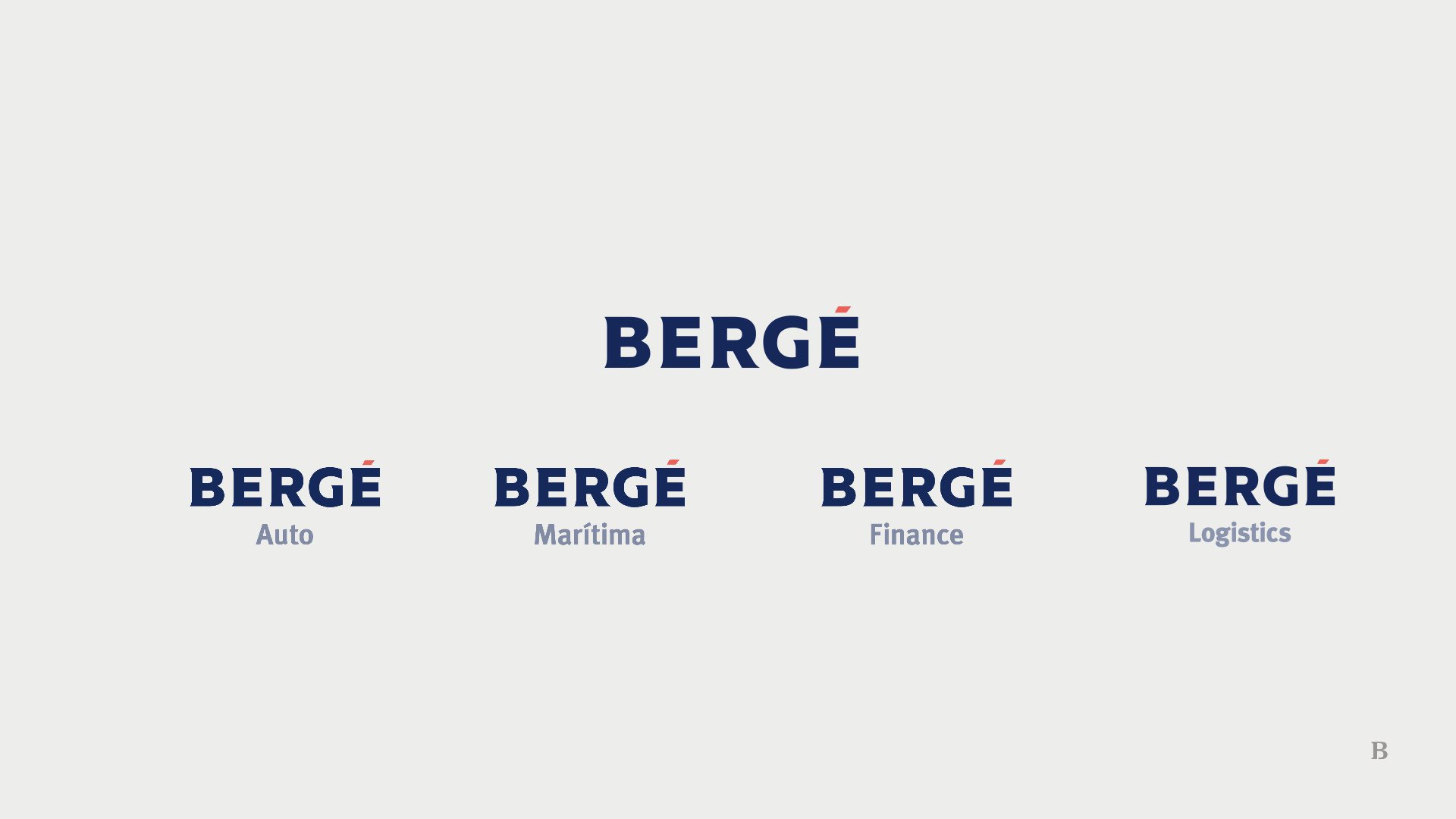
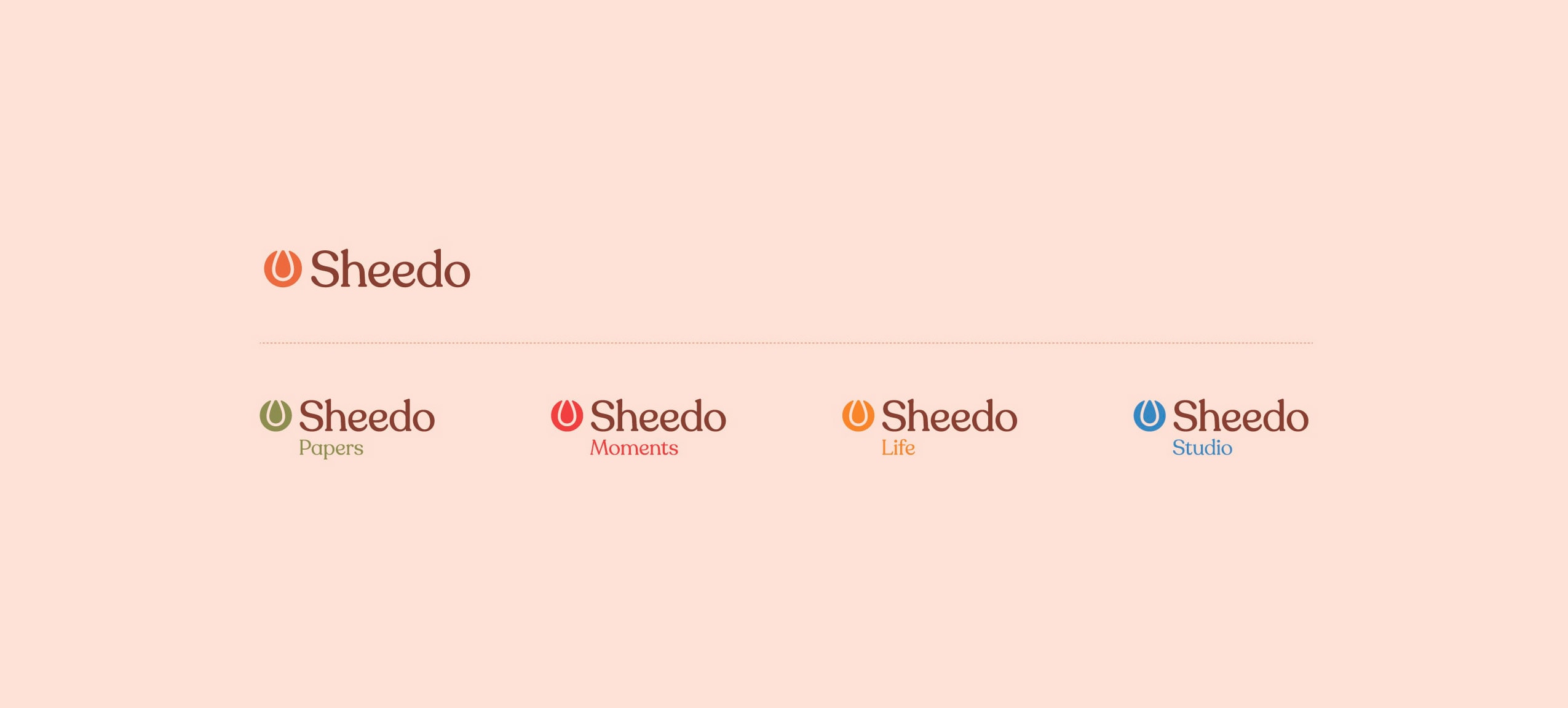
Four models to organize your bookmarks
Almost no company uses a pure model: most combine several depending on the category and the timing of each brand. Knowing the four brand architecture models helps in deciding with criteria when a new brand is appropriate and when to extend the one that already works.
Unique brand
A single brand supports the entire offering (branded house). Maximum coherence and economies of scale in investment.
Subbrands
The parent brand names lines with their own distinct yet dependent character. It organizes extensive catalogs without diluting value.
Trusted brand
Each brand has its territory, and the parent company's endorsement appears in the background. It balances autonomy and backing.
House of brands
Independent brands under the same group (house of brands). Freedom to cover very different audiences and price points.
Branded House vs. House of Brands
A brand stands behind it all
The entire offering shares a name and identity, like a tech company that signs every product with the same seal. It concentrates investment and grows a single brand asset, with less room to segment by audience.
Many brands, one owner
Each brand operates with its own name and identity, and the group remains in the background, a common practice in consumer goods. It covers very different audiences and price points, with marketing investment spread across several brands.
Between both extremes live sub-brands and the endorsed brand, which combine the parent company's endorsement with a certain degree of autonomy. The choice depends on the business strategy, the degree of diversification, and how much value the parent brand brings to each category.
Signs that you should review your brand architecture
- Brands have been added through launches and acquisitions, without a common criterion.
- The customer confuses brands from the same group or doesn't distinguish what separates them.
- Each brand invests in marketing on its own and the efforts overlap.
- New product lines are arriving and no one knows whether to create a brand or extend the current one.
- A merger or acquisition has brought competing brands together.
- The sales team wastes time explaining how the brands fit together.
From the brand map to a system with logic
Putting things in order starts with seeing the big picture. We map all the brands, their overlaps and their gaps, and from there the model emerges. It is a task that at Baud we approach as brand consultant, leaning against a brand audit preview and, when the new map asks for marks, in a process of naming Judiciously.
Map
Complete inventory of brands, products, and the relationships that exist between them today.
Diagnose
Overlaps, gaps, and unclear roles within the ensemble.
Define the model
The system (single, sub-brands, endorsed, or house of brands) that best serves the strategy.
Name and order
Naming conventions, visual hierarchy, and clear guidelines for future releases.
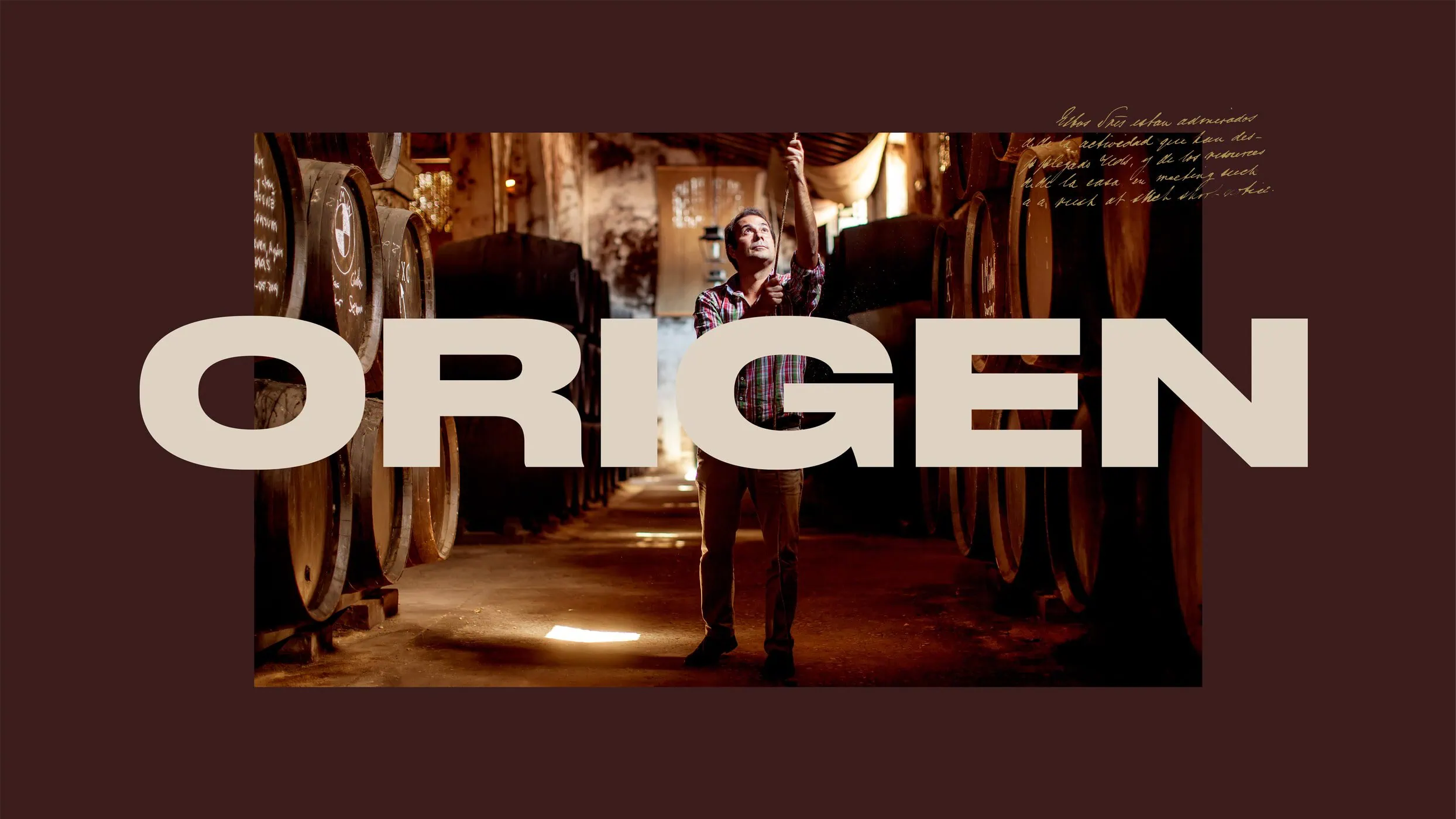


years of brand history. We helped Osborne organize an ultra-complex brand portfolio, with centuries-old brands and very different categories coexisting under the same group. We defined clear hierarchies and roles so that each brand occupies its place and the portfolio as a whole gains coherence.
Portfolios organized with criteria

Architecture of a group
Order and hierarchy for a holding company with diverse businesses.

A network-wide naming system
We organize how hospitals, services, and specialties are named under a single logic, so that the patient can navigate easily and the brand gains consistency.

Shall we organize your brand portfolio?
Frequently Asked Questions About Brand Architecture
What is brand architecture?
Brand architecture is the system that organizes and prioritizes a company's brands. It defines how the parent brand, sub-brands, product lines, and independent brands relate to one another, and what role each plays within the whole. It is the foundation upon which growth, new business lines, and acquisitions are supported.
What is the purpose of brand architecture?
It serves to bring order to a portfolio and make it work better: it improves the value of the whole, directs marketing investment to where it adds value, prevents the group's brands from being confused or competing with each other, and helps the buyer understand at a glance what each one offers.
What types of brand architecture exist?
The four reference models are the branded house, sub-brands, endorsed brand, and house of brands. Almost no company uses a pure model: most combine several depending on the category and the timing of each brand.
What is the difference between a "branded house" and a "house of brands"?
In a branded house, a single brand underpins the entire product lineup, ensuring maximum consistency and concentrating investment on a single asset. In a house of brands, each brand operates under its own name and identity, with the group taking a back seat, which allows the company to cater to very different audiences and price points.
How does a sub-brand differ from a licensed brand?
A subbrand depends on the parent brand and shares much of its identity. An endorsed brand has its own territory and identity, and the parent brand’s endorsement plays only a secondary role. The subbrand prioritizes consistency; the endorsed brand, autonomy.
When is it a good idea to review your brand architecture?
After a merger or acquisition, when the product portfolio has grown haphazardly; when new product lines are launched; or when customers confuse brands within the same group or cannot tell them apart.
How is it different from brand identity?
Architecture structures the relationship between brands within the same group. Identity defines how each one looks and sounds—an aspect we work on in the visual identity for each brand.
How much does a brand architecture project cost?
The investment depends on the size of the portfolio, the number of brands and markets involved, and whether the project includes naming or rebranding. A diagnostic assessment and architecture map are standalone projects; we’ll provide you with an estimate once we understand the scope.