
Verbal Identity
Where strategy becomes audible.
Verbal identity is a brand's language system: its tagline, its key messages, and its voice. brand strategy in words the market can hear, repeat, and remember. It is where the brand stops being a document and starts sounding like itself.





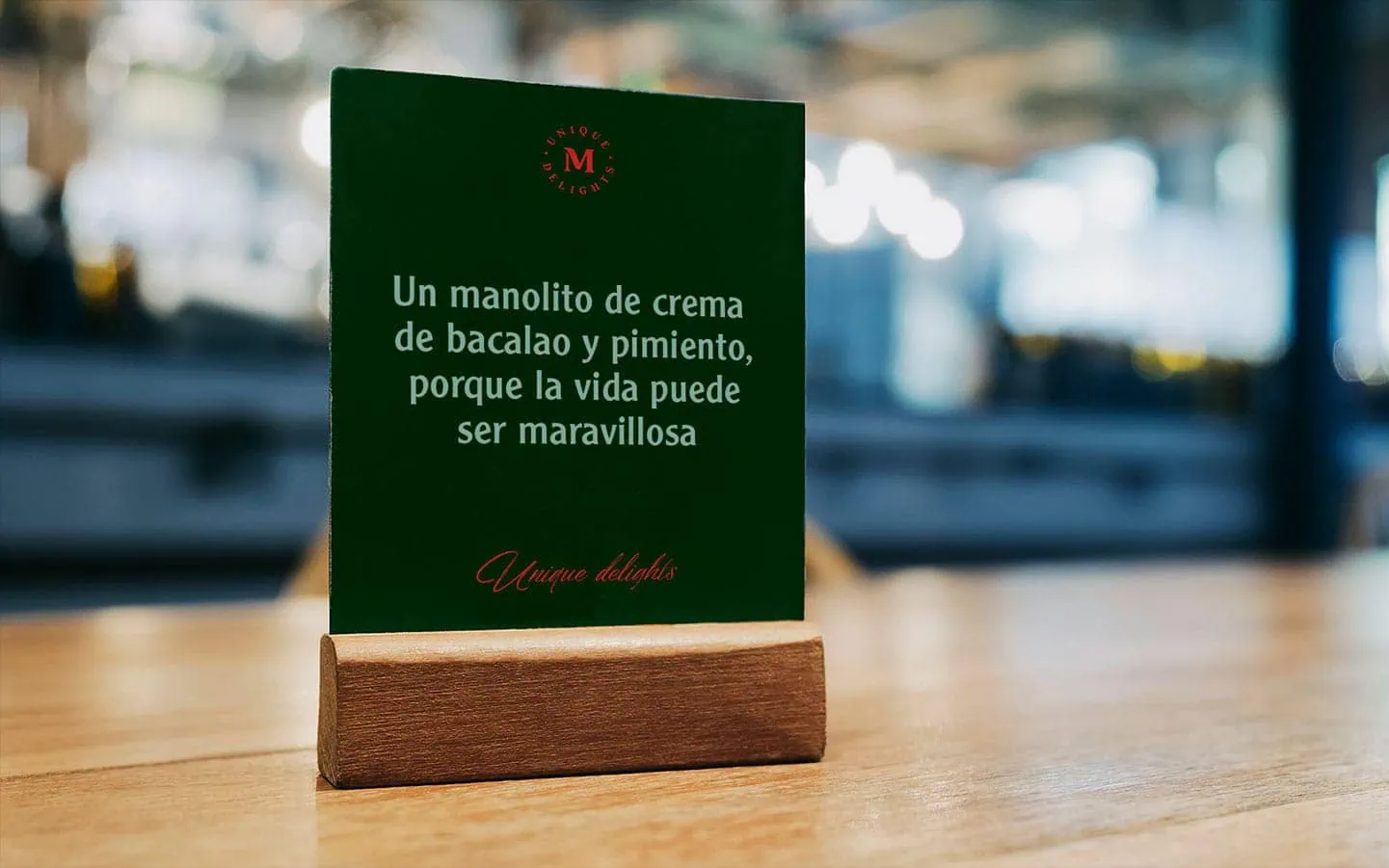
A brand's language system
The verbal identity organizes everything the brand says, from the headline to the smallest detail. Each piece fulfills a function and they all sound the same.
Tagline
The brand's strategic statement, stable over time.
Key messages
The foundational argument that supports all communication.
Voice
The brand's consistent personality in words.
Tone
The adaptation of that voice to each situation and channel.
Storytelling
The narrative that creates the atmosphere and connects with the audience.
Nomenclature
The product and service naming system.
Your brand strategy is worth exactly as much as your ability to communicate it.
Voice versus tone
Who is the brand
The consistent personality that reflects values, builds recognition, and generates trust. It remains the same in every message.
How he speaks depending on the moment
The situational adaptation of that voice. It flexes according to the context, the channel, and the audience's mood.
A person maintains their personality between a funeral and a party, but changes their way of speaking. The brand works the same way.
From strategy to word
Verbal identity translates strategy into language. We define the voice attributes, turn them into operating principles, set the boundaries that make it recognizable, and validate the result at every touchpoint. It is the work that makes a brand audible branding consulting.
Voice attributes
Three or four traits that define how the brand sounds.
Principles
Operational guidelines for each attribute, with examples.
Limits
The edges that make the voice recognizable and consistent.
Applications
The validated voice across web, packaging, customer service, and campaigns.
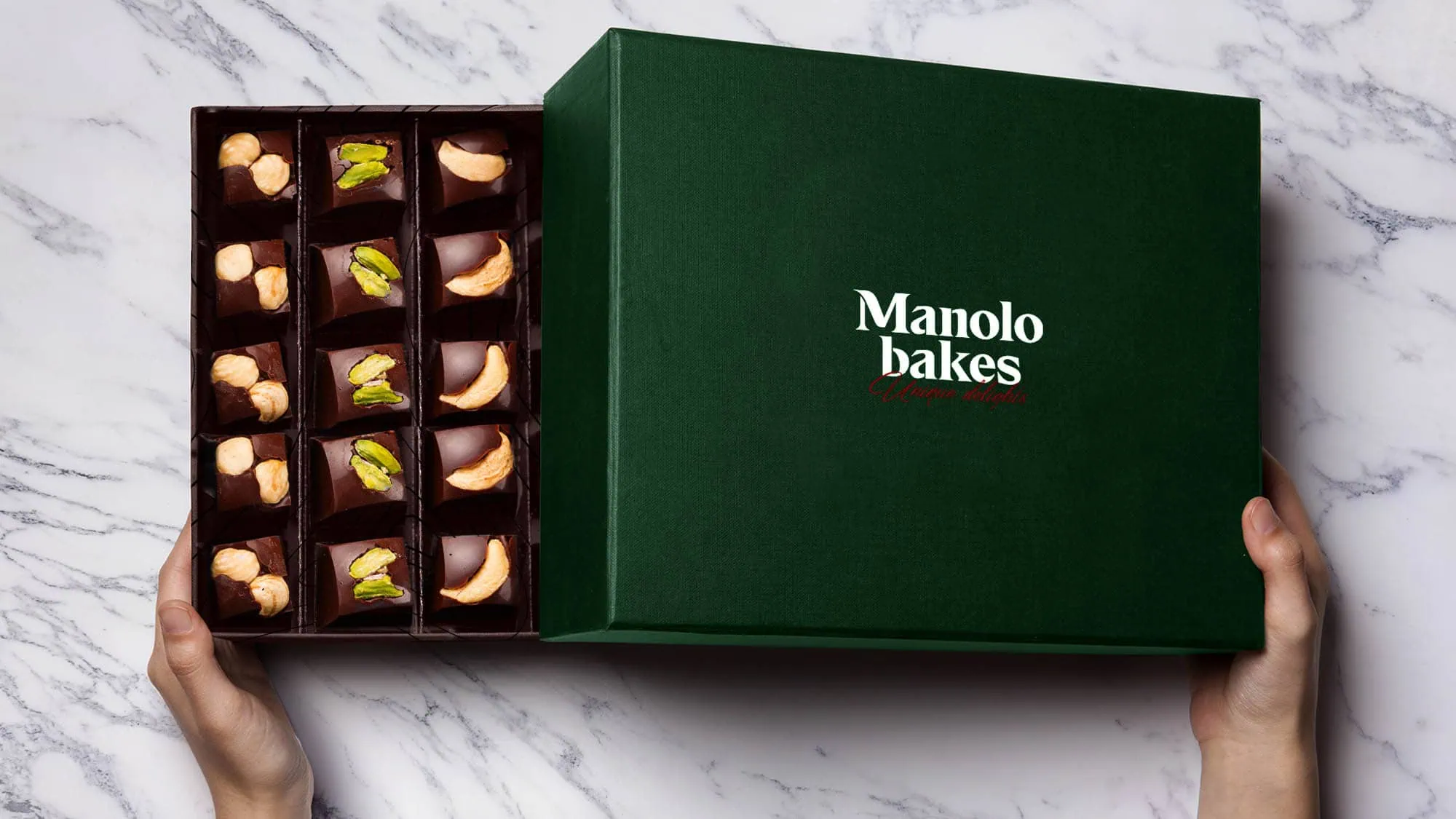

Messages that become a brand
The messages we create for Manolo Bakes packaging became an undeniable brand asset: phrases that people recognize, repeat, and share. This is what a verbal identity looks like when it transcends the product and stays in the conversation.

Shall we give your brand a voice?
On verbal identity
What is the difference between voice and tone?
The voice is the brand's constant personality; the tone is how that voice adapts to each situation. The voice stays the same, the tone flexes.
What does a verbal identity guide include?
Tagline, key messages, voice attributes with their principles and boundaries, a tone matrix, and applied examples by channel.
Can you have a verbal identity without naming?
The naming It is usually the first piece. The verbal identity builds the rest of the language system from there.