
By Clara López, member of the Baud team.
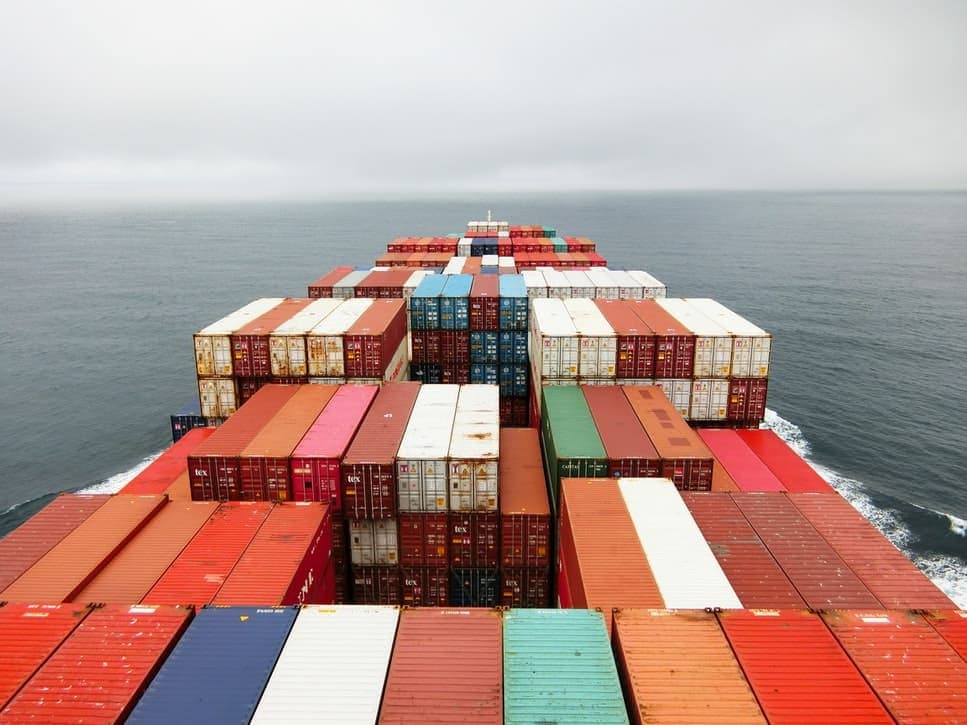
They say that it can still happen that you walk distractedly along a Galician beach and come across a rubber duckling that has floated thousands of kilometers for almost three decades until it reaches you. You may then become part of the famous story of the ship that, on its 1992 Hong Kong - Washington voyage, lost almost 29,000 ducklings in the middle of a monstrous storm.
And it turns out that every day, more and more, you are part of a story with many similarities. The bike whose components travel across continents to be assembled several borders away that, with a single click, sets off on a new adventurous journey to your doorstep. Or the pieces of fruit from the local farmer that travel refrigerated by bicycle, again avoiding traffic, to your doorstep.
Knowledge, hard work, technology, to arrive, from far or near, to your doorstep. The real story that only a few logistics companies are able to tell.
The first companies to start projecting this value are, as is usually the case in other sectors, those closest to the customer, in this case, those that include among their services the delivery activity that arrives at our doorstep. They are only a small percentage of the logistics companies, but they take with them a good part of the perceived value. Not so much for being close, but for knowing how to take advantage of it.
In this complex ecosystem, perceived value gives power: negotiating strength, increased margins, attraction of alliances, industry reputation, investment in talent, technology and communication... in short, a power that is becoming ever greater.
The logistics companies that are best known and most valued by the end customer are usually also the most powerful. But any company can be valued by the end customer, if it connects with them in the right way.
Being far away from the end customer doesn't mean they can't value us. We just have to be able to convey our story. Other brands have achieved this in other sectors and with very different casuistry, such as Airbus, Recaro, Intel, Ineco or Deloitte.
In logistics, as in other sectors, the most powerful are usually the most valued. And to be valued, we must be known by the end customer, regardless of whether we are more or less close to him. Telling them our story and using the right codes to approach them will help us compete better, changing the rules of the game.
We often think that companies far from the end customer should be unknown, without realizing that this belief perpetuates a power game that is detrimental to them. There are ways to change the rules, to get closer, to tell the stories that deserve to be told. And there is no better time to try than now.
_