
Sometimes all it takes is a mistranslated word or an out-of-context color for a global brand to no longer feel close. What seemed universal becomes alien. In a world where consumers live connected on a global scale but think, eat and feel locally, the brands that last are not the ones that go the furthest, but the ones that land the best.
Relevance is not imported, it's designed
We believe that the new relevance is not imported: it is designed from a territorial sensitivity. Globality is no longer about replicating successful formulas, but about learning to speak the cultural, symbolic and emotional language of each context. Brands that understand this subtlety do not adapt campaigns: co-create meaning with their host communities.
"True connection is not achieved by translating messages, but by understanding nuances."
Microlocality by design: listening before replicating
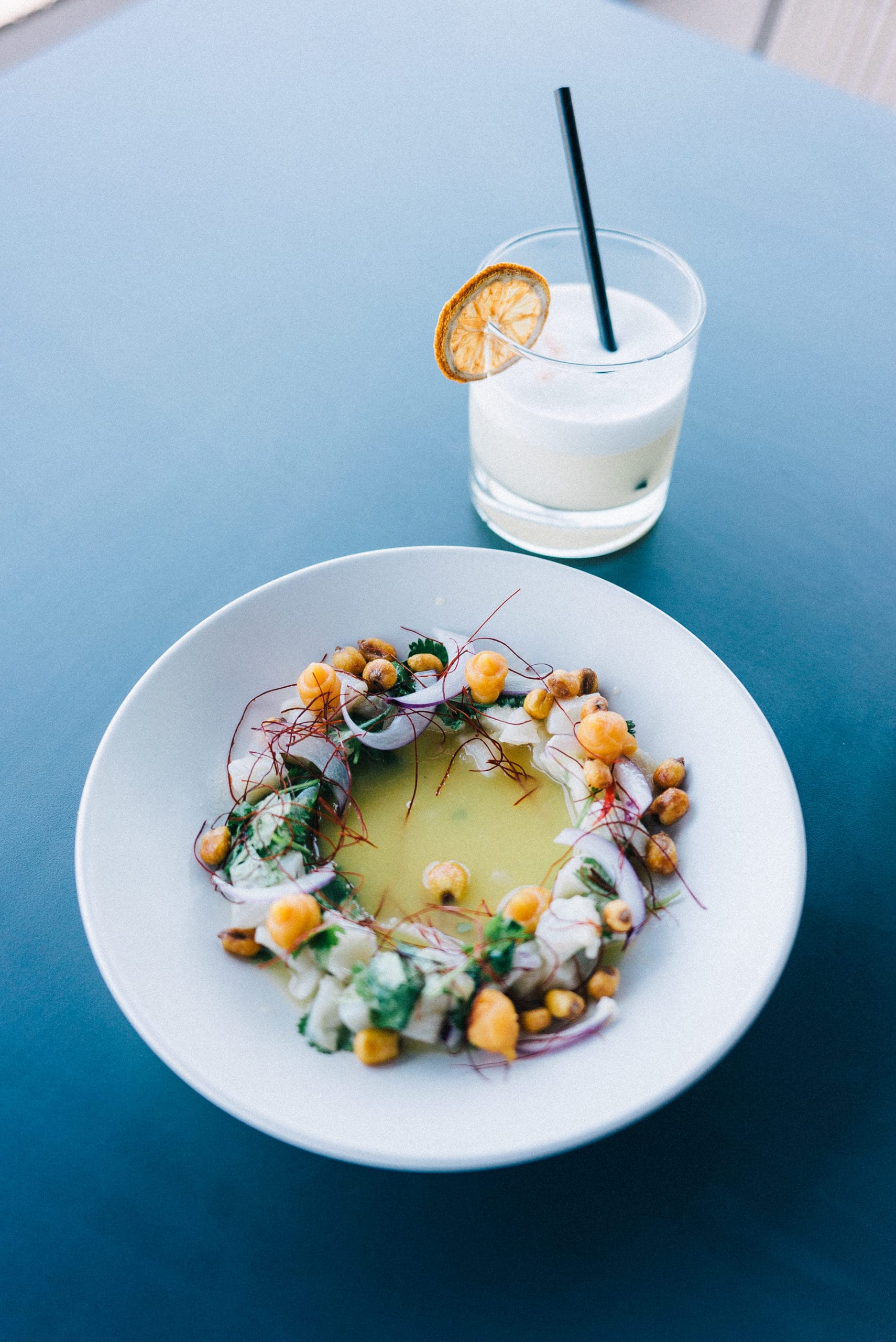
In the restaurant sector, this is especially visible. We see how the phenomenon glocal is taking on a new depth. It is no longer enough to add superficial winks or translate messages. International chains are realizing that taste, rituals and environmental codes matter as much as the menu.
Brands such as McDonald's in Asia, Coca-Cola in Africa o Netflix in Latin America are integrating local references that generate pride and belonging. But the real leap occurs when this adaptation is not perceived as a tactic, but as part of the DNA.
The trend points to a microlocality by designflexible structures that allow us to operate globally and resonate locally without losing coherence. Incorporating ingredients, formats or customs specific to each region is a way of demonstrating empathy and learning from the environment.
"Each market can become a living laboratory in which to test cultural innovations before scaling them globally."
For restoration, this can be translated into recipes adapted to local tastescollaborations with nearby producers or spaces that reflect the pulse of the city where they are. It is not about imitating, but about integrating.
From controlling to listening
For brands, this is a change of mentality: from controlling to listeningto impose consistency on design adaptive consistency. A strong brand is not the one that sounds the same everywhere, but rather the one that says the same thing with different accents.
At the operational level, it involves modular identity systems, empowered local teams y shared learning processes between markets. When cultural sensitivity becomes business capability, brands not only connect better: become more scalable, resilient and humane.
Listening to climb
Globality is no longer a map: it is a conversation. And only those who know how to listen to each place, its rhythm, its nuances and its way of belonging, will be able to build truly universal brands. In times of homogeneity, what makes us local is, paradoxically, what makes us more global.